9+ curated guides • Updated October 2025
You know that Tom Cruise is 5'7", yet he consistently appears as a commanding presence, standing eye-to-eye with taller co-stars. This isn't a continuity error; it's a masterclass in cinematic illusion. We're pulling back the curtain to reveal the hidden apple boxes, strategic camera angles, and subtle shoe lifts that Hollywood uses to construct a reality where height is just another prop. The verticality of a star is rarely left to chance; it is as meticulously crafted as the screenplay itself. From classic Hollywood icons to modern action heroes, the art of height manipulation is a foundational, albeit invisible, pillar of cinematic storytelling. This article isn't about exposing individuals; it's about celebrating the incredible ingenuity of filmmakers who build worlds where narrative power, not physical stature, dictates who stands tallest.
You remember their names, their catchphrases, and the viral videos that made them household names for a few months. But for every mega-influencer dominating your feed today, there are thousands whose digital empires have faded into quiet obscurity. This isn't a simple 'where are they now?'—it's an exploration into the digital ghost towns they leave behind, and what the echo of their abandoned fame tells us about our own culture. We are digital anthropologists excavating the ruins of recent history, and these abandoned profiles are our artifacts. They are time capsules of fleeting trends, fossilized communities, and the high-stakes reality of a career built on algorithmic whim. By sifting through these digital remains, we can decode the lifecycle of modern fame and understand the immense cultural and personal pressures it creates.
It's easy to find lists speculating which male stars have gone under the knife for gynecomastia. But beyond the tabloid whispers and paparazzi photos lies a far more important story. By openly confronting a condition that affects up to 65% of men, a handful of celebrities are quietly dismantling one of the last great taboos in male body image. This isn't a chronicle of cosmetic procedures; it's the beginning of a cultural reckoning. We're witnessing a shift from public figures being victims of speculation to becoming agents of change, using their platforms to redefine what it means to be confident and in control of one's own body narrative.
You hit 'place order' on your McDelivery, thinking you scored a convenient meal. In reality, you just paid a 40% 'convenience tax' for lukewarm fries and a missing McFlurry. There's a better way to play the game, and we have the cheat codes. For years, I've analyzed the patterns, reverse-engineered the pricing models, and timed the kitchen workflows. The McDonald's app isn't a menu; it's an opponent. It's designed to guide you toward maximum profit, not maximum satisfaction. This playbook reframes the transaction. We're not just ordering food; we're executing a calculated strategy to secure the highest quality meal for the lowest possible cost. It's time to stop being a passive consumer and start being a McGenius.
If you've searched for 'Rabeanco shoes' and come up empty, you're not alone. While the beloved leather goods brand doesn't have a major footwear line, its design soul—that perfect blend of minimalist form, quality materials, and everyday luxury—absolutely exists in the shoe world. Consider this your official guide to the footwear brands that are Rabeanco's spiritual twins. Instead of a fruitless search, we're embarking on a more rewarding mission: decoding the Rabeanco aesthetic and identifying the footwear architects who speak the same silent language of quality and form. This is about finding not a product, but a principle. We'll deconstruct the core tenets of Rabeanco's design—from its obsession with material purity to its architectural approach to shape—and then introduce you to the five brands that embody this philosophy from the ground up.
You hit 'place order' for your favorite Tour of Italy, but something feels missing. It’s not just the food you crave; it's the endless stream of warm, garlicky breadsticks and the famously bottomless salad bowl. What if you could hack your standard Olive Garden delivery to perfectly replicate that 'when you're here, you're family' feeling right in your own dining room? Forget accepting a finite number of breadsticks as your fate. We're not just ordering dinner; we're reverse-engineering an entire experience. This isn't about compromise; it's about control. I'm going to show you how to exploit a few simple menu options to create a loophole in the standard delivery model, transforming your kitchen table into a private booth at your favorite Italian-American chain, complete with all the 'unlimited' perks and none of the wait.
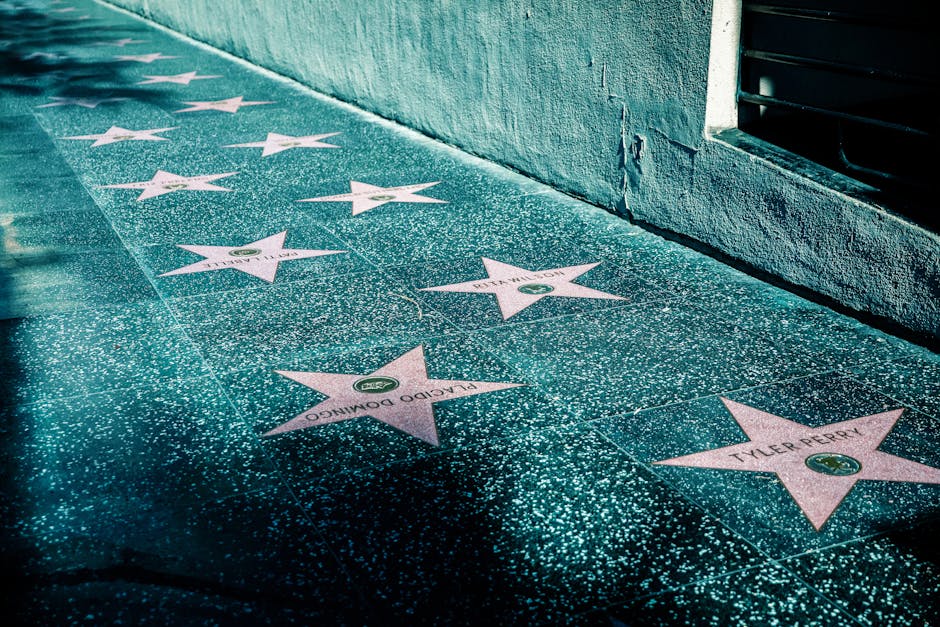
We think of celebrity names as a matter of birth or a simple stage-name switch, but what if the most successful monikers are actually meticulously crafted business assets? From single-name icons like Zendaya to strategically unique names like Timothée Chalamet, the new currency in Hollywood isn't just talent—it's having a name you can own on Google. This isn't about vanity; it's about intellectual property. In an economy driven by attention, a celebrity's name is their most valuable domain name, their primary stock ticker, and the foundation of their entire commercial empire. We're breaking down the unspoken rules of the modern celebrity name game, where every syllable is a strategic choice.
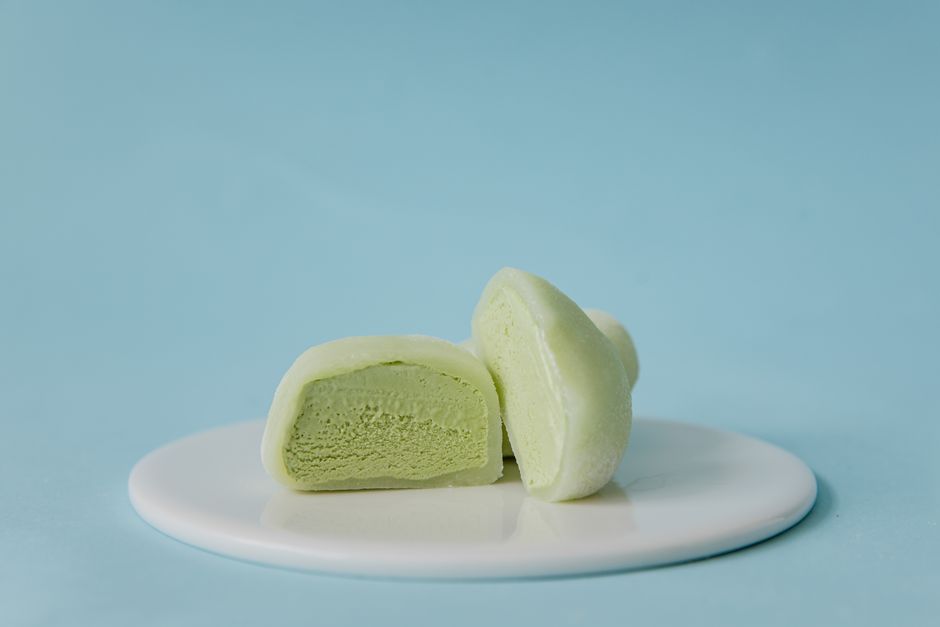
That first bite into a piece of mochi offers a satisfying stretch and a soft, pillowy chew unlike anything else. We often focus on the sweet filling, but the true magic lies in the physics of its texture—and it’s the secret ingredient to its global domination. Forget the flavor for a moment; we're breaking down the science of the world's most addictive mouthfeel. As culinary investigators, we must look past the superficial and into the molecular architecture of our food. Mochi is not a confectionery product in the traditional sense; it is a masterclass in starch chemistry and rheology (the study of the flow of matter). This article dissects the precise structural properties that give mochi its signature viscoelasticity, a quality that delights our senses on a primal, physical level.
That simple square of paisley cotton in your drawer is more than just an accessory; it's a character statement. Forget basic lists of knots and folds. We're decoding the bandana's power to instantly channel an entire persona, from the '70s rock god to the modern-day artisan. This isn't about simply adding a 'pop of color.' This is about semiotics. The bandana is a cultural semaphore, a small flag you raise to signal your tribe, your philosophy, your very approach to the day. The way you tie it, the fabric you choose, and where you place it all contribute to a narrative. We're here to help you become the conscious author of that narrative, choosing an archetype that resonates with the man you are—or the one you aspire to be.